Press brake folding is a common sheet metal process used to create accurate bends, angles and formed sections. It turns a flat metal sheet into a component that is ready for welding, assembly or installation.
The process offers greater accuracy and consistency than manual bending. As a result, it works well for everything from one-off bespoke parts to repeat components.
How does a press brake work?
A press brake uses a punch and die to apply controlled force to a sheet of metal. The machine pushes the material into the required shape, creating a straight and accurate bend.
Different tools can produce various angles and profiles. The operator also controls the position and depth of each bend to achieve the required dimensions.
However, several factors affect how the metal will fold. These include its grade, thickness, bend length and the angle required. The direction of the material grain may also influence the finished result.
Which materials can be folded?
Press brake folding suits many commonly used sheet metals, including mild steel, stainless steel, aluminium, brass and copper.
Each material behaves differently under pressure. For example, stainless steel usually needs more force than mild steel of the same thickness. Aluminium requires careful handling because certain grades can crack if the bend radius is too tight.
Choosing the correct tooling and bend allowance helps produce an accurate finished component.
What is press brake folding used for?
Sheet metal folding forms parts for many different industries and applications. Common examples include:
• Trays, channels and angles
• Brackets and support sections
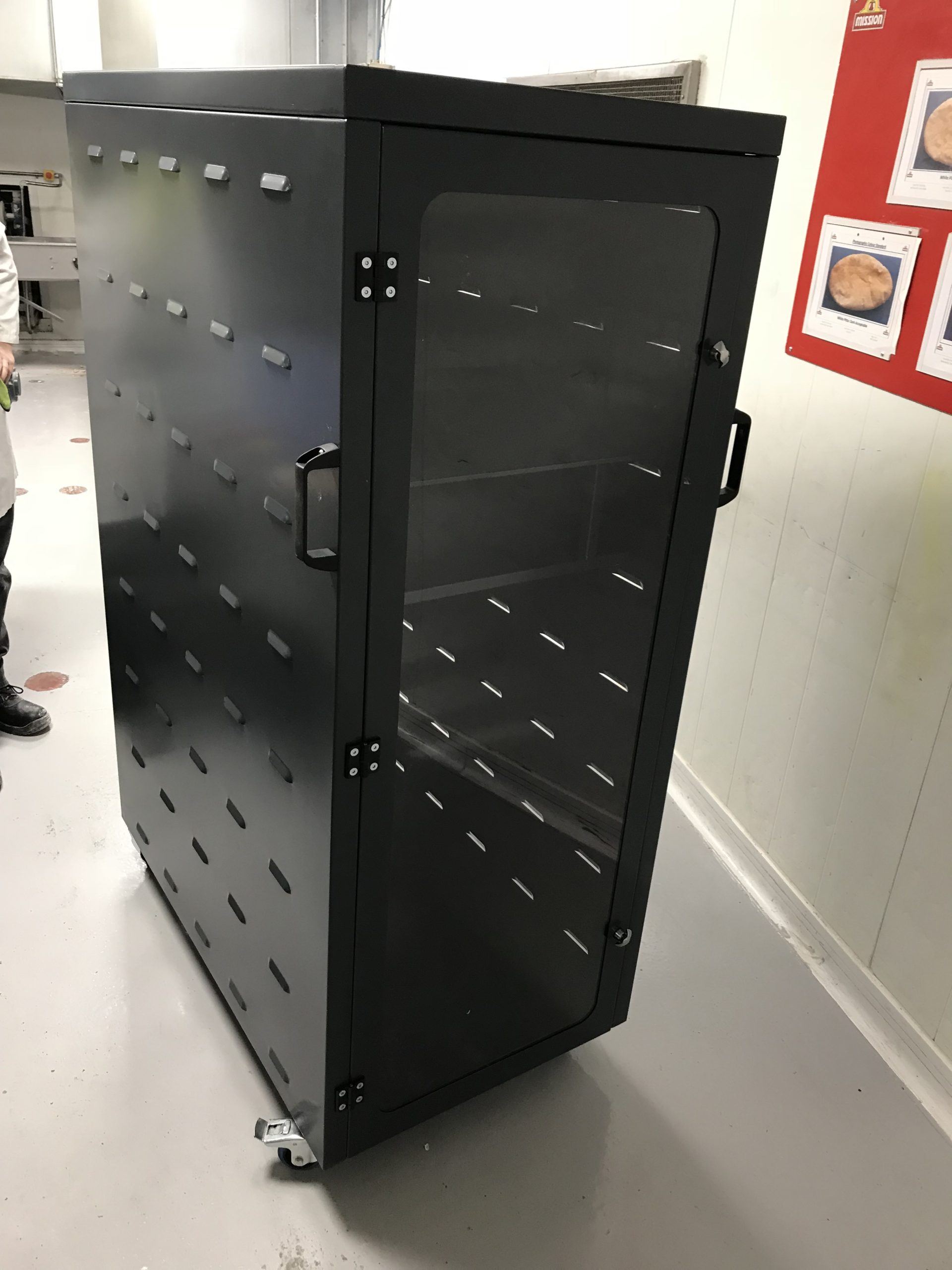
• Machine guards and covers
• Panels and enclosures
• Flashings and folded sections
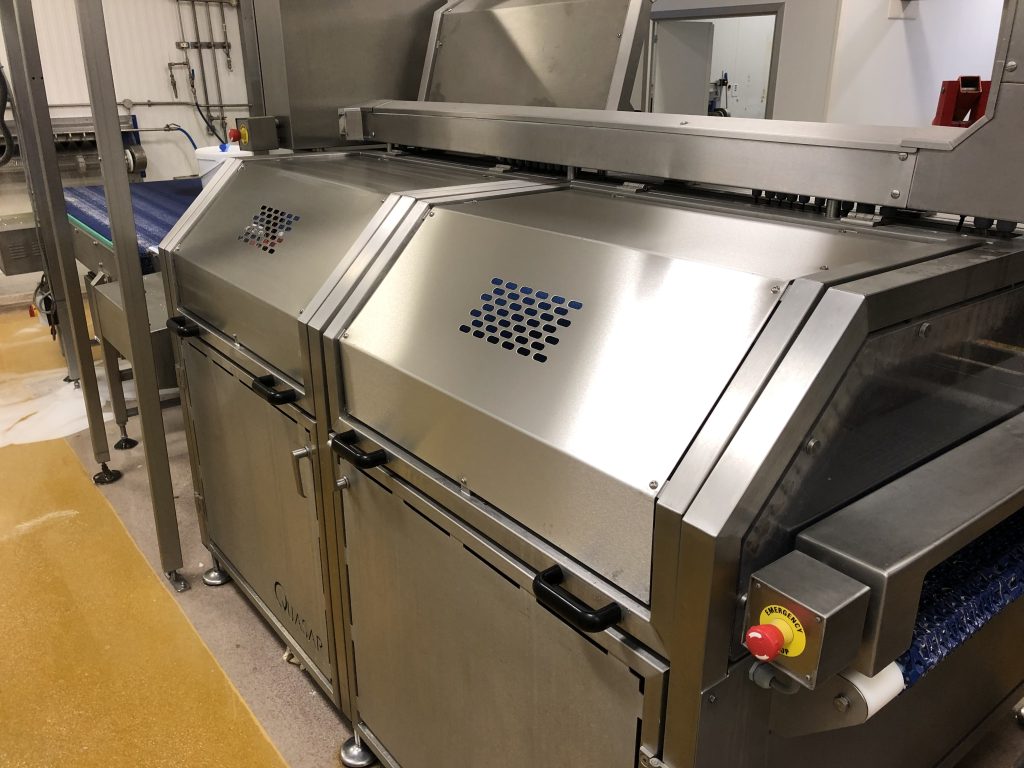
• Food-processing equipment
• Architectural metalwork
• Bespoke components and assemblies
A folded component can often replace several separate pieces of metal. This reduces the amount of welding required and can create a neater, stronger result. It may also shorten fabrication and assembly time.
Accurate in-house sheet metal folding
At Acorn Engineering & Fabrications, we carry out press brake folding in-house at our Blaydon workshop.
Our 150-tonne, 4.1-metre press brake allows us to form a wide range of sheet metal components. Keeping this process in-house also helps us coordinate cutting, folding, welding and finishing within one workshop.
We can work from customer drawings, existing components or measurements taken from site. Where a finished design is not yet available, we can also help develop a practical fabrication solution.
Press brake folding in the North East
Accurate folding helps components fit together correctly during fabrication and installation. It also improves consistency across repeat parts and reduces the need for adjustment later.
Whether the job involves a single replacement bracket, a folded tray or a larger fabricated assembly, the correct folding method will depend on the material, dimensions and intended use.
Acorn Engineering and Fabrications provides press brake folding and sheet metal fabrication for customers across the North East of England.