Choosing the right material is an important part of any fabrication project. Strength, durability, appearance, working environment and cost all need to be considered before manufacturing begins.
At Acorn Engineering and Fabrications, we work with stainless steel, aluminium, mild steel and a range of non-ferrous metals, helping customers select a practical material for the finished application.
There is no one-size-fits-all material
A material that performs well in one environment may be unsuitable in another. The finished component may need to withstand moisture, chemicals, heat, regular cleaning, heavy loads or repeated use.
Appearance, weight, fabrication method and the required finish can also influence the decision. Understanding how and where the finished item will be used helps establish which material is best suited to the project.
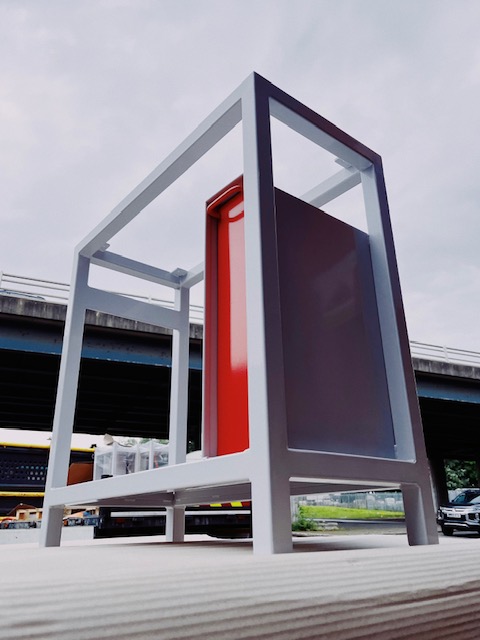
Mild Steel: Strong and Versatile
Mild steel is widely used for structural frames, supports, brackets, machinery components, pipework and general industrial fabrications.
It offers good strength, is straightforward to cut, form, machine and weld, and is often a cost-effective choice. As untreated mild steel can corrode, the finished fabrication may require painting, powder coating, galvanising or another protective finish depending on its intended environment.
Stainless Steel: Durable and Hygienic
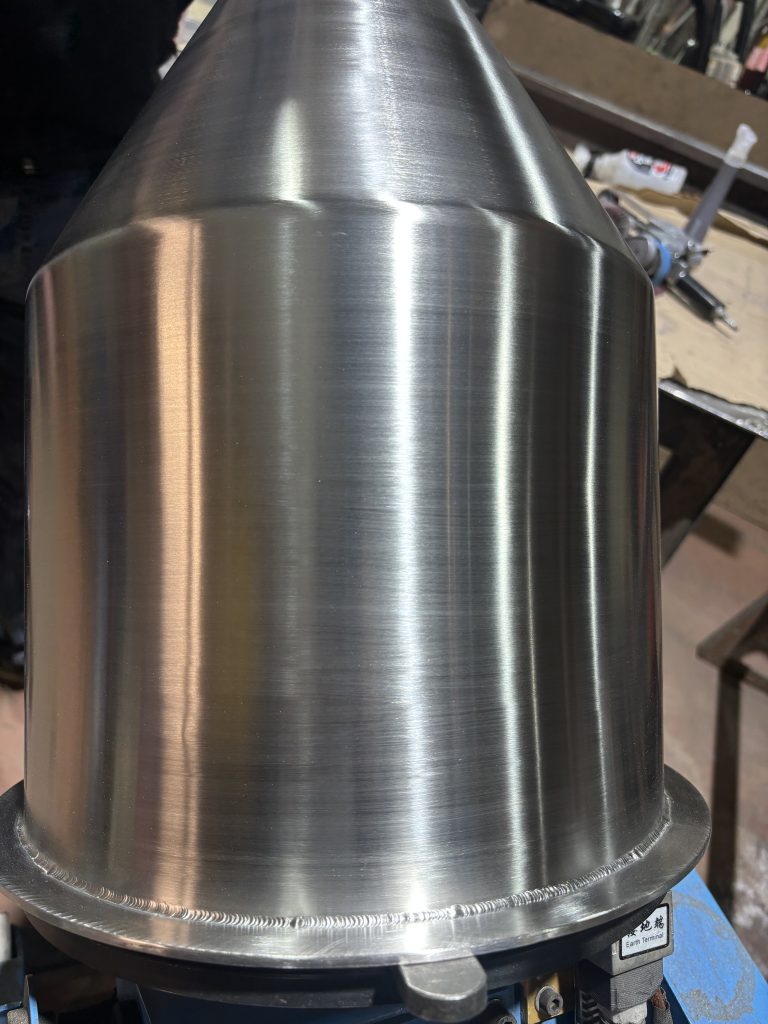
Stainless steel is commonly selected where corrosion resistance, hygiene or appearance is particularly important. It is frequently used for equipment, chutes, guards, trays, tanks and production-line components within food, beverage and pharmaceutical environments.
Different grades offer different properties. Grade 304 is suitable for many general applications, while grade 316 provides greater resistance in more demanding or corrosive conditions.
Stainless steel can also be supplied with a choice of surface finishes, from standard mill finishes to polished or decorative finishes.
Aluminium: Lightweight and Corrosion Resistant
Aluminium combines a low weight with good corrosion resistance, making it useful for panels, guards, enclosures, covers, frames and components that need to be handled or moved easily.
It can be cut, formed, machined and welded, although the chosen grade and thickness need to suit both the manufacturing process and the demands placed on the finished component.
Aluminium can be left in its natural finish or anodised, painted or powder coated where additional protection or a particular appearance is required.
Specialist and Non-Ferrous Metals
Some projects call for materials such as brass or copper because of their appearance, conductivity or other specialist properties.
These materials require suitable cutting, forming and joining methods to achieve a clean, practical result. Material availability and cost may also need to be considered during the early stages of the project.
Considering the Complete Fabrication Process
Material selection cannot be considered separately from the way a component will be manufactured. The required bends, welds, holes, tolerances and surface finish can all affect which material, grade and thickness should be used.
We can work from an existing CAD file, drawing, sketch or set of dimensions. By considering the complete manufacturing process from the outset, we can identify potential issues before fabrication begins.
From Material Selection to Finished Fabrication
With in-house CNC plasma cutting, machining, forming, welding and finishing capabilities, we can manage projects from the initial material and profile through to the completed component or fabrication.
Whether the requirement is for a one-off item, replacement component or a batch of repeat parts, we focus on producing a practical solution suited to its intended use.